• What’s Wound Care?

    What’s Wound Care?

    Wound care refers to the process of treating and managing different types of wounds to facilitate healing, prevent infection, and promote recovery. Wounds can result from injuries, surgeries, chronic conditions, or underlying health issues. Proper wound care is essential for minimizing complications, reducing the risk of infection, and supporting the body’s natural healing processes.

    Following surgery, your healthcare team will provide detailed instructions for post-operative care. These instructions may include medication schedules, wound care procedures, dietary guidelines, physical activity limitations, and signs of potential complications. Adhering strictly to these instructions is crucial for a successful recovery.

    In this blog post, we will explore what respite care is, and the benefits of nursing agency respite care for caregivers.

    Wound Care and Dressings

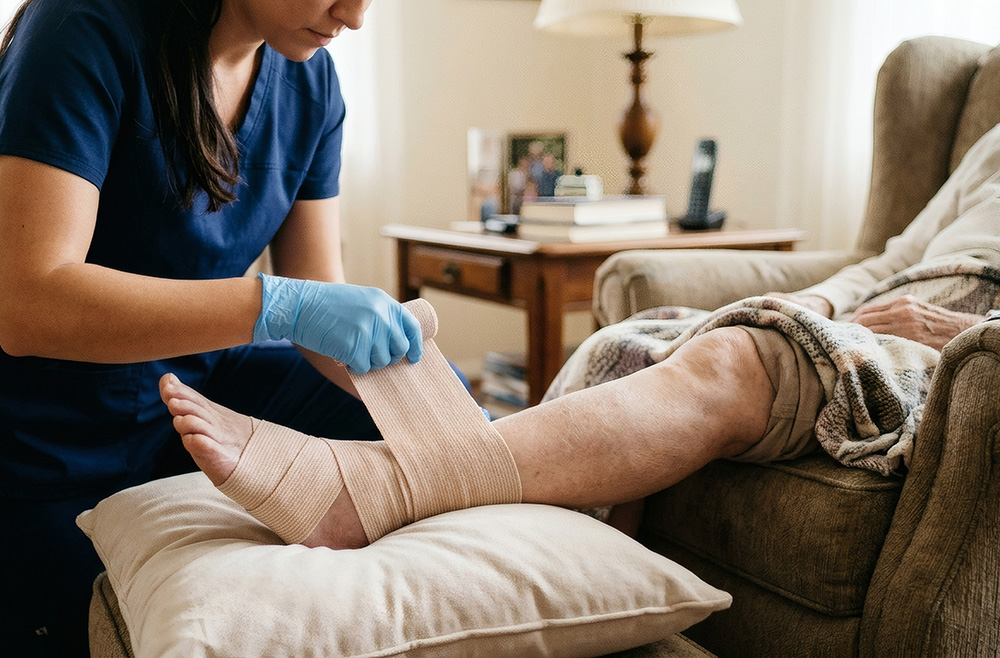
    Proper wound care is paramount to prevent infections and promote healing. Ensure that you keep the surgical site clean and dry as advised by your healthcare provider. Changing dressings, as instructed, and monitoring for any signs of infection, such as increased redness, swelling, or discharge, are essential.
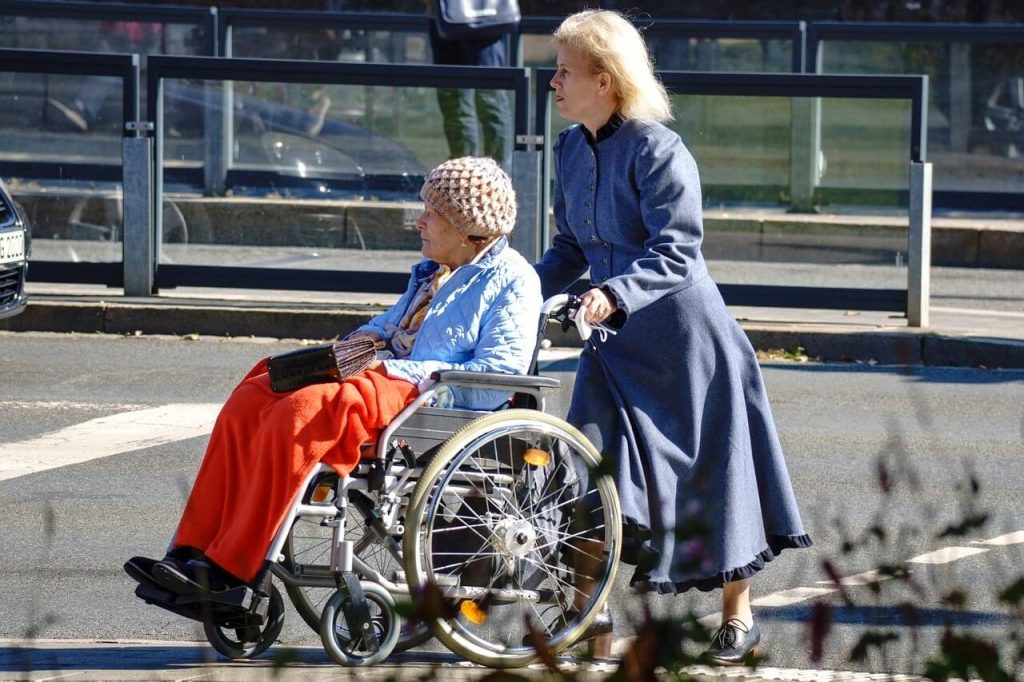
    Key Components of Wound Care:

    1. Cleaning and Dressing: Cleaning the wound with mild soap and water or a saline solution helps remove debris and bacteria. Applying an appropriate dressing, such as sterile gauze or bandages, helps protect the wound from further injury and keeps it clean and moist, aiding in the healing process.
    2. Managing Infection: Preventing infection is crucial in wound care. This involves regular inspection of the wound for signs of infection, such as increased redness, swelling, warmth, or discharge. Antibiotic ointments or medications may be prescribed by healthcare professionals to prevent or treat infections.
    3. Proper Wound Healing Environment: Maintaining a conducive environment for healing is essential. This includes keeping the wound moist but not excessively wet, as moisture supports cell growth and helps with tissue repair. However, excessive moisture can lead to maceration. Healthcare professionals may recommend specialized wound dressings to create an optimal healing environment.
    4. Debridement: In cases where wounds have dead or damaged tissue, debridement is necessary to remove this tissue, promoting healthy tissue growth and reducing the risk of infection.

    Monitoring and Follow-Up: Regularly monitoring the wound’s progress and attending follow-up appointments with healthcare providers is crucial. It allows healthcare professionals to assess the healing process, make necessary adjustments to the treatment plan, and address any complications that may arise

    Types of Wounds:

    • Surgical Wounds: Resulting from surgical procedures, these wounds require specific care and monitoring to prevent infection and promote healing.
    • Traumatic Wounds: Caused by accidents or injuries, these wounds may range from minor cuts to deep lacerations and require careful cleaning and management.
    • Pressure Ulcers (Bedsores): These occur due to prolonged pressure on the skin, often in individuals with limited mobility. Preventive measures and proper wound care are essential to avoid complications.

    How Staff Relief Can Help Your Family

    At Staff Relief, we understand that proper wound care involves a combination of medical expertise, hygiene practices, and attentive monitoring. Seeking guidance from healthcare professionals ensures that wounds receive appropriate treatment, leading to better outcomes and faster healing.

    Staff Relief offers respite care options and private homecare services to meet the unique needs of each family. We believe that everyone deserves quality care and support. If you’re a caregiver in need of respite services, we encourage you to call us (905-709-1767) today. Our compassionate and experienced trained staff can provide the support and relief you need to take time for yourself and recharge your batteries


  • Nurturing Recovery: The Importance of Post-Operative Nursing Care

    Nurturing Recovery: The Importance of Post-Operative Nursing Care

    The period following surgery is a critical phase in a patient’s journey to recovery. Post-operative nursing care plays a pivotal role in ensuring a smooth and successful recuperation. In this brief blog, we’ll explore the significance of post-operative nursing care and highlight key aspects that contribute to the well-being of patients in the crucial days and weeks following surgery. This is where post operative care comes in.

    Immediate Post-Operative Period:

    1. Monitoring Vital Signs: In the immediate aftermath of surgery, vigilant monitoring of vital signs such as heart rate, blood pressure, and oxygen saturation is essential. This allows nurses to quickly identify and address any signs of complications.
    2. Pain Management: Effective pain management is a cornerstone of post-operative care. Nurses work closely with patients to assess pain levels and administer appropriate medications, ensuring comfort while promoting mobility

    In this blog post, we will explore what respite care is, and the benefits of nursing agency respite care for caregivers.

    Wound Care and Infection Prevention:

    1. Wound Assessment: Regular assessment of surgical incisions is crucial to identify any signs of infection, inflammation, or other complications. Proper wound care, including dressing changes, helps minimize the risk of infections.
    2. Preventing Deep Vein Thrombosis (DVT): Nurses play a vital role in preventing complications like DVT by encouraging early ambulation, administering prescribed blood-thinning medications, and utilizing compression stockings.

    Patient Education and Rehabilitation:

    1. Clear Communication: Nurses provide detailed instructions to patients and their families regarding post-operative care at home. This includes information about medications, activity restrictions, and signs of potential complications.
    2. Encouraging Early Mobilization: Rehabilitation often starts soon after surgery. Nurses assist patients in performing gentle exercises and movements to prevent stiffness, improve circulation, and expedite the recovery process.

    Emotional Support:

    1. Addressing Anxiety and Concerns: Post-operative recovery can be emotionally challenging. Nurses offer empathetic support, addressing patient concerns, and providing reassurance throughout the healing process.
    2. Promoting a Positive Environment: Creating a positive and supportive atmosphere contributes significantly to the healing process. Nurses foster a caring environment that aids in the patient’s mental and emotional well-being.

    Proper Nutrition

    Eating a balanced diet rich in nutrients promotes healing. Follow any dietary recommendations provided by your healthcare team. Stay hydrated and aim for foods that support healing and boost your immune system

    Attend Follow-Up Appointments

    Scheduled follow-up appointments with your surgeon or healthcare provider are essential. These appointments allow them to monitor your progress, remove stitches or staples if needed, and address any concerns or complications that may arise during recovery.

    How Staff Relief Can Help Your Family

    Post-operative nursing care is a dynamic and multifaceted process that goes beyond the immediate recovery phase. By closely monitoring vital signs, managing pain, preventing infections, facilitating rehabilitation, and providing emotional support, nurses play a vital role in guiding patients through a successful recovery journey. Their expertise and compassionate care are instrumental in helping individuals regain their health and resume their daily lives after surgery.

    Staff Relief offers respite care options and private homecare services to meet the unique needs of each family. We believe that everyone deserves quality care and support. If you’re a caregiver in need of respite services, we encourage you to call us (905-709-1767) today. Our compassionate and experienced trained staff can provide the support and relief you need to take time for yourself and recharge your batteries.

  • Navigating Care Choices: Home Care vs. Long-Term Care Homes

    Navigating Care Choices: Home Care vs. Long-Term Care Homes

    As individuals age or face health challenges, decisions about the type of care they receive become paramount. Two prominent options, home care and long-term care homes, present distinct approaches to addressing the needs of seniors or those with chronic illnesses. In this short blog, we’ll explore the key differences between home care and long-term care homes, empowering individuals and families to make informed choices tailored to their unique circumstances.

    Home Care: Independence in Familiar Surroundings

    Home Care: Independence in Familiar Surroundings:

    1. Home care allows individuals to receive support and assistance within the comfort of their own homes.
    2. Personalized care plans are crafted to address specific needs, promoting independence and familiarity.
    3. Services may include assistance with daily activities, medication management, and even skilled nursing care.

    Familiarity and Emotional Comfort:

    1. Remaining in a familiar environment often contributes to emotional well-being and a sense of security.
    2. Home care facilitates ongoing connections with family, friends, and the local community, fostering a support system that can positively impact overall health.

    Flexibility and Customization:

    1. Home care plans can be tailored to evolving needs, providing a flexible approach that adapts to changing health conditions.
    2. Individuals have more control over their daily routines, lifestyle choices, and the timing of care services.

    Long-Term Care Homes: Professional Support in a Facility Setting:

    1. Long-term care homes, or nursing homes, provide 24/7 professional care in a facility setting.
    2. These homes are equipped to address complex medical needs, offering a higher level of care for individuals with significant health challenges.
    3. Residents benefit from constant supervision and a structured environment designed to meet their medical and daily living requirements.

    Social Interaction and Community Living:

    1. Long-term care homes foster a community environment, allowing residents to engage with peers and participate in group activities.
    2. These facilities often organize social events, outings, and recreational programs to promote a sense of community.

    Safety and Round-the-Clock Assistance:

    1. Long-term care homes provide immediate access to medical assistance, ensuring rapid response to emergencies.
    2. Specially trained staff can manage complex medical conditions and address the needs of individuals with advanced care requirements.

    Staff Relief understands the importance of promoting independence and respecting your dignity and privacy. Our are specialists, caregivers and support staff will work with you and your family to understand what your specific needs are in order to provide the appropriate nursing services at home.

    Staff Relief – Trusted Care Providers

    Choosing between home care and long-term care homes involves considering factors such as individual preferences, health conditions, and the level of support needed. While home care emphasizes independence and familiarity, long-term care homes offer professional, around-the-clock assistance in a communal setting. Each option has its merits, and the decision ultimately rests on the unique needs and preferences of the individual and their support network. By understanding the distinctions between these two approaches, individuals and families can make informed choices that prioritize quality of life and well-being.

    Staff Relief is here to help you achieve the best possible quality of life and care from diagnosis to the end of life through private health care services built around your needs and the needs of your loved ones. 

  • Caring with Compassion: Senior Care at Home

    Caring with Compassion: Senior Care at Home

    As our loved ones age, the desire to provide them with the utmost care and comfort becomes a priority. Senior care at home offers a personalized and familiar environment, promoting independence and enhancing overall well-being. In this short blog, we’ll delve into the essentials of senior care at home and share tips for creating a supportive and nurturing atmosphere

    Understanding Dementia

    Dementia isn’t merely about memory loss; it affects various cognitive functions, behaviours, and everyday activities. It’s essential to recognize that each person experiences dementia uniquely. Alzheimer’s disease, vascular dementia, Lewy body dementia, and frontotemporal dementia are among the common forms, each with its own set of symptoms and challenges.

    Creating a Safe Haven:

    1. Home Modifications: Ensure the living space is senior-friendly by making necessary modifications. Remove tripping hazards, install grab bars in bathrooms, and consider ramps for easy accessibility.
    2. Comfortable Living Spaces: Prioritize comfort by arranging furniture for easy navigation. Create cozy spaces where seniors can relax and enjoy their favourite activities.

    Personalized Care Plans:

    1. Individualized Care: Recognize that every senior is unique, each with their own needs and preferences. Tailor care plans to accommodate specific requirements, whether it’s assistance with daily activities or managing medications.
    2. Health Monitoring: Regularly monitor the senior’s health with scheduled check-ups and consultations. Keep a record of medications, appointments, and any changes in health conditions.

    Emotional Well-being:

    1. Social Engagement: Combat feelings of isolation by fostering social connections. Encourage visits from friends and family, and explore community activities or senior clubs to promote interaction.
    2. Meaningful Activities: Engage seniors in activities they enjoy. Whether it’s gardening, reading, or crafting, maintaining hobbies contributes to mental stimulation and a sense of purpose.

    Support for Caregivers

    The role of caregivers in dementia care is immense, but it’s also emotionally taxing. Caregivers often face stress, exhaustion, and feelings of isolation. Providing them with adequate support, access to resources, and opportunities for respite is essential. Support groups, counselling services, and educational programs offer valuable assistance to caregivers.

    1. Respite Care: Caregivers play a crucial role in senior care at home. Ensure they have opportunities for rest and relaxation by arranging respite care when needed.
    2. Educational Resources: Equip caregivers with the knowledge and resources necessary to address the unique challenges of senior care. Ongoing education enhances the quality of care provided.

    Impact on Caregivers and Society

    The impact of dementia extends well beyond the diagnosed individual. Indirectly, dementia affects loved ones, family members, caregivers and society at large. Witnessing a loved one’s memories fade away exacts an emotional toll, while the strain on health care providers and systems represents only a fraction of the broader ripple effect caused by dementia. Recognizing these profound implications is crucial, especially for private home care services, as they navigate the complex landscape of providing support and care to those affected by dementia.

    Senior care at home is a heartfelt commitment to the well-being of our aging loved ones. By creating a safe and personalized environment, addressing individual needs, and fostering emotional connections, we can ensure that our seniors age gracefully in the comfort of their own homes. As we embark on this journey of care, let compassion guide our actions, making every day a source of joy and comfort for our beloved seniors.

    For comprehensive dementia care services tailored to your loved one’s needs, look no further than Staff Relief. As a reputable nursing agency, we comprehend the challenges individuals face as the disease progresses. Our in-home care solutions offer a unique opportunity for those with Alzheimer’s or dementia to preserve their independence and familiarity within a supportive and personalized environment. Allow us to provide the compassionate assistance your loved one deserves. 

  • The Vital Role of Senior Companionship: A Beacon of Joy in the Golden Years

    The Vital Role of Senior Companionship: A Beacon of Joy in the Golden Years

    As we age, the importance of social connection and companionship becomes increasingly evident. Senior companionship goes beyond mere interaction; it is a source of comfort, joy, and enhanced well-being for older adults. In this short blog, we’ll explore the significance of senior companionship and the positive impact it can have on the golden years of life.

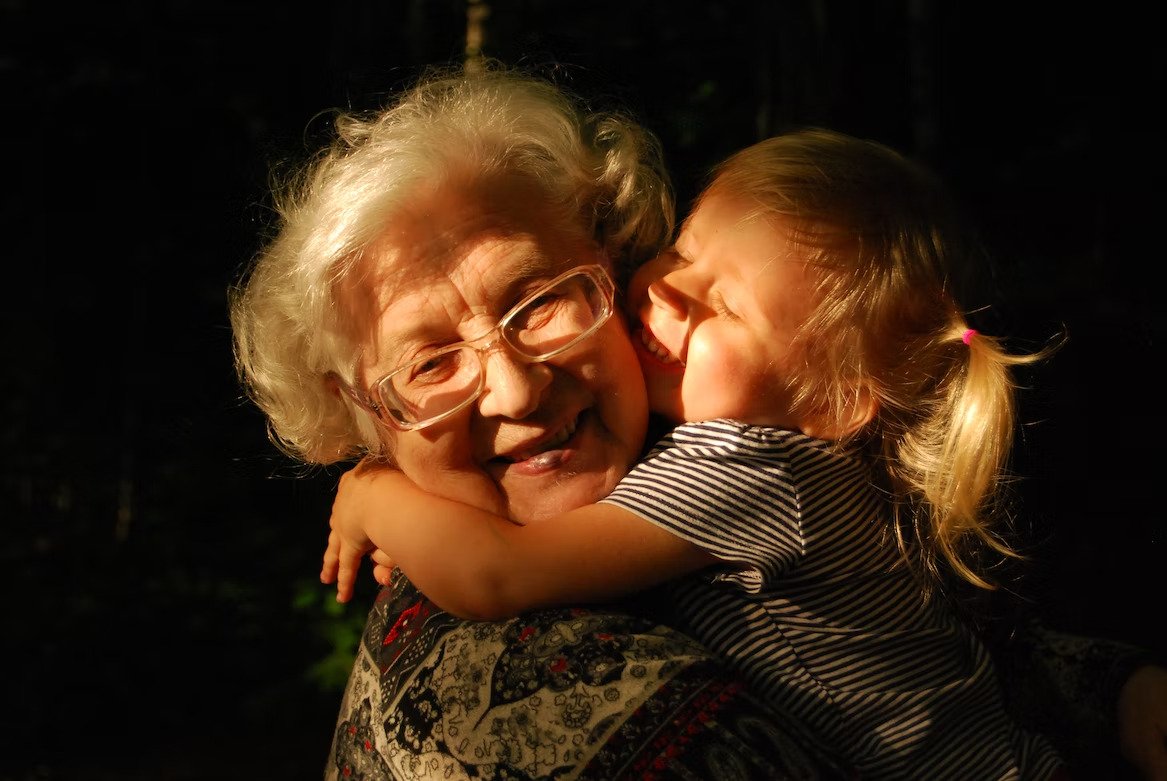
    young girl holding gift for grandma

    Easing Isolation and Loneliness

    Seniors often face the challenge of isolation and loneliness, which can have adverse effects on their mental and emotional health. Companionship provides a valuable antidote, offering regular social interaction and a meaningful connection with others.

    Enhancing Emotional Well-being

    A friendly face, a caring conversation, or a shared laugh can brighten a senior’s day and contribute to their overall emotional well-being. Companionship provides a support system that fosters a positive outlook on life.

    Stimulating Mental Acuity

    Engaging in conversations, playing games, or reminiscing about the past stimulates cognitive function. Regular mental stimulation through companionship can contribute to sharper mental acuity and a sense of fulfillment.

    Encouraging Physical Activity

    Companionship often involves shared activities, whether it’s taking a leisurely walk, participating in light exercises, or enjoying hobbies together. This not only promotes physical health but also adds an element of joy to daily routines.

    Providing a Sense of Purpose

    Senior companionship brings purpose and structure to daily life. Knowing that there’s someone to share experiences with and rely on fosters a sense of purpose and belonging.

    Supporting Independence

    Companionship allows seniors to maintain a level of independence by providing assistance with daily tasks without impinging on their autonomy. It’s a collaborative relationship that respects the individual’s capabilities and preferences.

    Building Lasting Friendships

    Beyond meeting basic needs, companionship often blossoms into genuine friendships. Long-lasting connections with companions create a network of emotional support and understanding.

    Staff Relief Supports Families

    Senior companionship is a beacon of light in the journey of aging. It addresses the multifaceted needs of older adults by offering social engagement, emotional support, and a sense of purpose. As we recognize the immense value of these connections, let us actively promote and prioritize senior companionship, ensuring that our loved ones not only age gracefully but also enjoy the warmth and joy that meaningful relationships bring in their golden years.

    If your family needs assistance in the form of home healthcare services, such as personal care services, homecare services, a live-in caregiver, or any other way, call 905-709-1767 or contact us online. 

  • A Comprehensive Guide to Alzheimer’s Care at Home

    A Comprehensive Guide to Alzheimer’s Care at Home

    Alzheimer’s disease is a progressive neurological disorder that affects the brain and causes a decline in cognitive function, particularly in memory problems, language, reasoning and a person’s ability to look after one’s self. 

    Caring for a loved one with Alzheimer’s disease at home requires compassion, patience, and a deep understanding of the challenges both the individual and the caregiver may face. Alzheimer’s is a progressive neurological disorder that affects memory, cognition, and daily functioning. Providing care within the familiar and comforting environment of home can enhance the overall well-being of the individual. In this blog, we’ll explore practical tips and strategies for Alzheimer’s care at home, ensuring a nurturing and supportive environment.

    Creating a Safe and Comfortable Environment:

    1. Home Modifications: Begin by making your home safe and easy to navigate. Remove tripping hazards, install handrails, and ensure adequate lighting in all areas. Consider labeling rooms and using contrasting colors to help with recognition.
    2. Establish Routines: Consistency is key for individuals with Alzheimer’s. Establish daily routines for meals, medication, and activities. A predictable schedule can provide a sense of security and reduce anxiety.
    3. Memory Aids: Utilize memory aids such as calendars, clocks, and labeled drawers or cabinets to help the individual with orientation and daily tasks. Keep important information visible and easily accessible.

    Effective Communication:

    1. Clear and Simple Communication: Speak in a calm and clear manner, using simple sentences. Allow time for the individual to process information and respond. Non-verbal cues, such as facial expressions and gestures, can enhance understanding.
    2. Active Listening: Pay close attention to verbal and non-verbal cues from your loved one. Listen with patience and empathy, even if the conversation becomes repetitive. This fosters a supportive and trusting relationship.

    Engaging Activities:

    1. Tailored Activities: Plan activities that align with the individual’s interests and abilities. Simple, enjoyable activities, such as listening to music, doing puzzles, or engaging in gentle exercises, can provide mental stimulation and a sense of accomplishment.
    2. Social Interaction: Encourage social engagement with friends, family, and community. Maintain connections with loved ones to provide emotional support and combat feelings of isolation.

    Caregiver Well-being:

    1. Self-Care: Caring for someone with Alzheimer’s can be emotionally and physically demanding. Prioritize your own well-being by taking breaks, seeking support from friends and family, and considering respite care services.
    2. Educate Yourself: Stay informed about Alzheimer’s disease, its progression, and available resources. Knowledge empowers caregivers to navigate challenges more effectively and provide the best possible care.

    In-Home Care for Alzheimer’s & Dementia Patients

    Alzheimer’s care at home demands a holistic and compassionate approach. By creating a safe environment, adopting effective communication strategies, engaging in meaningful activities, and prioritizing caregiver well-being, you can enhance the quality of life for both the individual with Alzheimer’s and yourself. Remember, each journey is unique, and adapting to changing needs with flexibility and love is fundamental in providing the best care at home.

    To help people living with Alzheimer’s maintain a high quality of life, and provide support to their loved ones, our nursing agency provides a wide variety of dementia care and other healthcare services.  

    Many families feel more at ease by choosing in-home care over a nursing home. It is less disruptive to the patient and the family can have more involvement in the care given. We pride ourselves on the compassionate care we provide. Please contact us if you have any questions and want to know more about how we can help support your family’s healthcare needs. 

  • Navigating the Journey of Dementia Care: Compassion, Understanding, and Support

    Navigating the Journey of Dementia Care: Compassion, Understanding, and Support

    Dementia is a complex condition that impacts millions of individuals worldwide. Providing care for someone with dementia is a multifaceted journey that requires patience, empathy, and a comprehensive approach. Understanding the challenges faced by those with dementia and their caregivers is crucial in offering the support and care needed to navigate this intricate path.

    In this article, we delve into the prevalence of dementia and its far-reaching impact on individuals and society. As we explore some of the complexities of this condition, we will shed light on its prevalence and the profound implications it holds for affected individuals and their family members and the growing importance of dementia and Alzheimer’s care services. 

    Understanding Dementia

    Dementia isn’t merely about memory loss; it affects various cognitive functions, behaviors, and everyday activities. It’s essential to recognize that each person experiences dementia uniquely. Alzheimer’s disease, vascular dementia, Lewy body dementia, and frontotemporal dementia are among the common forms, each with its own set of symptoms and challenges.

    Person-Centered Care

    According to the Canadian Institute for Health Information, approximately 25% of seniors aged 85 and above have received a dementia diagnosis, highlighting the significant prevalence of this condition within this age group.

    The core of effective dementia care lies in adopting a person-centered approach. Acknowledging the individual’s preferences, history, and abilities is key. Tailoring care plans to suit their specific needs fosters a sense of dignity and autonomy. Creating a familiar, structured environment often brings comfort and reduces distress.

    Effective Communication

    Communication becomes more challenging as dementia progresses. Patience, active listening, and non-verbal cues like touch and facial expressions are valuable tools. Simplifying language and using visual aids aid in comprehension. Meaningful connections can also be forged through reminiscence therapy, sharing stories and memories.

    Safety and Adaptation

    Adapting the living environment to ensure safety is crucial. Removing hazards, maintaining a consistent routine, and incorporating assistive technologies can prevent accidents and confusion. Additionally, ensuring proper supervision and support with daily tasks fosters independence while minimizing risks.

    Support for Caregivers

    The role of caregivers in dementia care is immense, but it’s also emotionally taxing. Caregivers often face stress, exhaustion, and feelings of isolation. Providing them with adequate support, access to resources, and opportunities for respite is essential. Support groups, counselling services, and educational programs offer valuable assistance to caregivers.

    Innovations in Dementia Care

    Advancements in technology have introduced innovative solutions in dementia care. From GPS tracking devices for safety to virtual reality programs stimulating cognitive functions, technology offers promising tools to improve the quality of life for individuals with dementia and their caregivers.

    Navigating the complexities of dementia care requires a holistic and compassionate approach. By fostering understanding, providing tailored support, and embracing innovative solutions, we can create a more inclusive and supportive environment for those living with dementia and their caregivers. Together, let us strive to enhance the quality of life and dignity for everyone affected by this condition.

    Impact on Caregivers and Society

    The impact of dementia extends well beyond the diagnosed individual. Indirectly, dementia affects loved ones, family members, caregivers and society at large. Witnessing a loved one’s memories fade away exacts an emotional toll, while the strain on health care providers and systems represents only a fraction of the broader ripple effect caused by dementia. Recognizing these profound implications is crucial, especially for private home care services, as they navigate the complex landscape of providing support and care to those affected by dementia.

    As we conclude our exploration of the prevalence of dementia, one thing becomes abundantly clear: dementia knows no boundaries. It affects millions globally and continues to rise at an alarming rate. However, armed with knowledge and a proactive mindset, we can work together to combat this challenge. Let us strive for a future where dementia is better understood, and where those affected receive the care and support they need. 

    For comprehensive dementia care services tailored to your loved one’s needs, look no further than Staff Relief. As a reputable nursing agency, we comprehend the challenges individuals face as the disease progresses. Our in-home care solutions offer a unique opportunity for those with Alzheimer’s or dementia to preserve their independence and familiarity within a supportive and personalized environment. Allow us to provide the compassionate assistance your loved one deserves. 

  • Compassionate Comfort: The Importance of Palliative Care in Enhancing Quality of Life

    Compassionate Comfort: The Importance of Palliative Care in Enhancing Quality of Life

    Palliative care is a specialized form of healthcare that focuses on providing relief from the symptoms and stress of serious illnesses. It is not limited to end-of-life care but is instead aimed at improving the quality of life for individuals facing chronic or life-threatening conditions. Let’s explore the significance of palliative care and its transformative impact on patients and their families.

    Palliative care is also referred to as “end-of-life” care. It is the specialized medical care and support that is needed towards the end of someone’s life, allowing them to pass in the most peaceful and comfortable way. While some people spend their final days in a hospital, hospice or long-term care home, end-of-life care at home has become a preferred option for those who wish to spend their last moments within their own home, and surrounded by their loved ones. An experienced palliative care specialist will offer support to your loved one and make them feel comfortable and safe during what can be a distressing time. 

    Understanding Palliative Care:

    Palliative care is a holistic approach that addresses physical, emotional, social, and spiritual needs. It aims to alleviate pain, manage symptoms, and offer support to individuals dealing with severe illnesses such as cancer, heart failure, chronic obstructive pulmonary disease (COPD), dementia, and more.

    The Core Principles of Palliative Care:

    1. Pain and Symptom Management: Palliative care professionals focus on managing pain and symptoms to enhance comfort and improve the individual’s overall well-being. This includes addressing physical discomfort such as pain, nausea, fatigue, and breathing difficulties.
    2. Holistic Support: Beyond physical symptoms, palliative care attends to the emotional, social, and spiritual needs of patients. It involves providing emotional support, counselling, and assisting patients and their families in navigating complex healthcare decisions.
    3. Collaboration and Communication: Palliative care emphasizes open communication among healthcare providers, patients, and families. It involves discussions about treatment options, goals of care, and respecting the individual’s wishes and preferences.
    4. Continuity of Care: Palliative care can be provided alongside curative treatments. It ensures a seamless transition between different levels of care, maintaining support for the patient’s evolving needs.

    Helping patients and their families understand the nature of a serious illness and prognosis is a crucial role filled by palliative care teams near the end of life. Health care providers help patients and their families to determine appropriate medical care and to align the patient’s care goals with those of the palliative care team. 

    Staff Relief understands the importance of promoting independence and respecting your dignity and privacy. Our palliative care specialists, caregivers and support staff will work with you and your family to understand what your specific needs are in order to provide the appropriate nursing services at home.

    The Benefits of Palliative Care:

    • Improved Quality of Life: By addressing pain and managing symptoms, palliative care significantly enhances the individual’s quality of life, promoting comfort and dignity.
    • Support for Families: Palliative care extends its support to the patient’s family, providing guidance, counselling, and emotional assistance during difficult times..  
    • Increased Satisfaction with Care: Patients receiving palliative care often report higher satisfaction with their healthcare experiences due to the personalized and comprehensive support they receive.

    Palliative care is often associated with end-of-life care, leading to misconceptions about its purpose. It is essential to understand that palliative care can be introduced at any stage of an illness, not just during the final stages. It focuses on improving the patient’s comfort and well-being, regardless of the prognosis.

    In essence, palliative care embodies compassion, empathy, and a commitment to providing holistic support to individuals facing serious illnesses. It is an invaluable aspect of healthcare that prioritizes comfort, dignity, and the enhancement of life’s quality, ensuring that patients and their families receive compassionate care throughout their journey.

    Staff Relief – Trusted Palliative Care Providers

    Staff Relief will assist your family with an end of life care plan designed to reduce the burden of suffering resulting from a serious or terminal illness and focus on the quality of life. Our caregivers can provide support with symptom management, medication management, personal care and end-of-life care specific to the needs of your family. You face many difficult decisions on this path; Staff Relief is here to help you achieve the best possible quality of life and care from diagnosis to the end of life through private health care services built around your needs and the needs of your loved ones. 

  • Understanding the Role of a Live-In Caregiver: Enhancing Quality of Life and Supportive Care

    Understanding the Role of a Live-In Caregiver: Enhancing Quality of Life and Supportive Care

    In today’s world, many individuals require assistance and care due to age-related issues, disabilities, or chronic illnesses. Among the various caregiving options available, live-in caregivers play a vital role in providing continuous support and companionship to those in need. Let’s delve into what a live-in caregiver is and the invaluable contributions they make to the lives of those they care for.

    What is a Live-In Caregiver?

    A live-in caregiver is a professional who resides in the same home as the individual requiring care, offering around-the-clock assistance and support. Their role extends beyond basic caregiving tasks to encompass emotional support, companionship, and creating a safe and nurturing environment for the care recipient.

    Responsibilities of a Live-In Caregiver:

    1. Personal Care: Live-in caregivers assist with activities of daily living, including bathing, dressing, grooming, toileting, and medication management, ensuring the individual’s personal hygiene and health needs are met.
    2. Household Tasks: Beyond caregiving duties, live-in caregivers often take care of household chores such as cooking, cleaning, laundry, and grocery shopping, contributing to the smooth functioning of the household.
    3. Companionship: Building a trusting and supportive relationship is fundamental. Live-in caregivers offer companionship, engaging in conversation, leisure activities, and providing emotional support to combat feelings of loneliness or isolation.
    4. Monitoring Health: Observing and monitoring changes in the individual’s health condition is an integral part of the caregiver’s role. They report any concerns or changes to the healthcare team or family members.
    5. Safety and Support: Ensuring a safe environment is crucial. Caregivers assist in preventing accidents, managing emergency situations, and providing physical assistance when needed.

    What is a Live-In Caregiver?

    Compassion, empathy, patience, and adaptability are key qualities of an effective live-in caregiver. They must possess excellent communication skills, be attentive to the care recipient’s needs, and demonstrate reliability and trustworthiness in their caregiving duties.

    Benefits of Live-In Caregiving:

    • Personalized Care: Live-in caregivers offer personalized, one-on-one attention, catering to the specific needs and preferences of the care recipient.
    • Continuity of Care: Having a caregiver residing in the home ensures continuity of care, providing a sense of security and familiarity for the individual receiving care.
    • Enhanced Quality of Life: By enabling individuals to remain in their own homes, live-in caregivers contribute to preserving independence and improving the overall quality of life for the care recipient.

    Staff Relief is Here to Support You Every Step of the Way

    In conclusion, live-in caregivers play a pivotal role in supporting individuals who require continuous care and assistance. Their dedication, compassion, and commitment to enhancing the well-being of those they care for make them invaluable assets in the realm of caregiving, providing comfort, support, and a higher quality of life for those in need.

    With over 25 years of experience providing reliable care, we have established ourselves as a leading nursing agency in Ontario, providing our home and community healthcare services to those in need. Our team of compassionate and competent professionals will work with you and your loved ones to create a personalized care plan that meets the unique needs of your situation. Contact us today to learn more about our different care options. You are not alone in this. We are here to support you every step of the way.

  • What is Post Operative Care?

    What is Post Operative Care?

    “The Road to Recovery: Essential Post-Operative Care for a Speedy Healing Process”

    Undergoing surgery is a significant event that marks the beginning of a healing journey. While the surgical procedure itself is crucial, post-operative care plays an equally vital role in ensuring a smooth recovery and optimal health outcomes. The steps taken after surgery significantly impact the healing process, making post-operative care an essential aspect of overall healthcare management.  This is where post operative care comes in.

    Following surgery, your healthcare team will provide detailed instructions for post-operative care. These instructions may include medication schedules, wound care procedures, dietary guidelines, physical activity limitations, and signs of potential complications. Adhering strictly to these instructions is crucial for a successful recovery.

    In this blog post, we will explore what respite care is, and the benefits of nursing agency respite care for caregivers.

    Wound Care and Dressings

    Proper wound care is paramount to prevent infections and promote healing. Ensure that you keep the surgical site clean and dry as advised by your healthcare provider. Changing dressings, as instructed, and monitoring for any signs of infection, such as increased redness, swelling, or discharge, are essential.

    Pain Management

    Pain and discomfort are common after surgery. Your doctor will prescribe pain medications to manage post-operative pain. Take medications as prescribed and communicate any concerns or unusual symptoms to your healthcare provider.

    Rest and Recovery

    Allow your body the necessary time to rest and heal. Adequate sleep and relaxation aid in the recovery process. Follow any restrictions on physical activities or lifting heavy objects to prevent strain or injury to the surgical area.

    Proper Nutrition

    Eating a balanced diet rich in nutrients promotes healing. Follow any dietary recommendations provided by your healthcare team. Stay hydrated and aim for foods that support healing and boost your immune system

    Attend Follow-Up Appointments

    Scheduled follow-up appointments with your surgeon or healthcare provider are essential. These appointments allow them to monitor your progress, remove stitches or staples if needed, and address any concerns or complications that may arise during recovery.

    Preventing Caregiver Isolation and Loneliness

    Recovering from surgery can be physically and emotionally challenging. Seek support from family, friends, or support groups if you’re feeling anxious, overwhelmed, or experiencing mood changes during the recovery period.

    Remember, every individual’s recovery process is unique, and it’s essential to communicate openly with your healthcare team throughout the post-operative period. By following their guidance, taking care of yourself, and allowing ample time for healing, you’ll pave the way for a successful recovery and a return to your daily activities with renewed health and vitality.

    How Staff Relief Can Help Your Family

    At Staff Relief, we understand the challenges of caregiving and the importance of taking breaks to avoid burnout. That’s why we offer respite care services to help families in need. As a respite care provider, our goal is to provide temporary relief for caregivers while ensuring that their loved ones receive quality care and attention. 
    Staff Relief offers respite care options and private homecare services to meet the unique needs of each family. We believe that everyone deserves quality care and support. If you’re a caregiver in need of respite services, we encourage you to call us (905-709-1767) today. Our compassionate and experienced trained staff can provide the support and relief you need to take time for yourself and recharge your batteries.

  • How Common is Dementia?

    How Common is Dementia?

    Dementia, a cognitive condition, casts a shrouded veil over cherished memories and cognitive clarity, with profound effects. 

    In this article, we delve into the prevalence of dementia and its far-reaching impact on individuals and society. As we explore some of the complexities of this condition, we will shed light on its prevalence and the profound implications it holds for affected individuals and their family members and the growing importance of dementia and Alzheimer’s care services. 

    Global Prevalence of Dementia

    According to recent statistics from the World Health Organization (WHO), there are currently more than 55 million people living with dementia. Yes, you read that right. The global burden of dementia is staggering, with millions of lives affected by this condition. 

    Statistics reveal that dementia prevalence is on the rise, with nearly 10 million new cases each year. It knows no borders, transcending geographical boundaries and impacting individuals from all walks of life.

    Dementia in Canada

    According to the Canadian Institute for Health Information, approximately 25% of seniors aged 85 and above have received a dementia diagnosis, highlighting the significant prevalence of this condition within this age group.

    With the aging population in Canada, the number of individuals living with dementia is also on the rise. As a consequence of this demographic shift, it becomes increasingly important to address the growing needs of those affected by dementia.

    Distinguishing Between Dementia and Alzheimer’s Disease

    Dementia and Alzheimer’s disease are often used interchangeably, but they are not the same. Dementia is an umbrella term that encompasses a group of symptoms affecting memory, thinking, and behavior. On the other hand, Alzheimer’s disease is the most common form of dementia, accounting for around 60-80% of cases. 

    While all individuals with Alzheimer’s have dementia, not all dementia symptoms are caused by Alzheimer’s. Other types of dementia include vascular dementia, Lewy body dementia, and frontotemporal dementia. 

    Dementia Symptoms

    Dementia manifests through a range of symptoms that gradually impair cognitive function. Memory loss, confusion, difficulty with communication and problem-solving, disorientation, and changes in mood and behaviour are common signs. As the condition progresses, individuals may experience challenges in performing daily tasks, recognizing familiar faces, and maintaining independence. Early recognition of these symptoms is crucial for timely intervention and support.

    Dementia Trends and Projections

    Like an unstoppable wave, dementia is poised to become one of the greatest health challenges of our time. As populations age and risk factors, such as obesity and diabetes soar, the number of people living with dementia is projected to triple in the coming decades. This exponential growth demands urgent attention and robust strategies to cope with the impending crisis.

    Age as a Risk Factor

    Is age the sole perpetrator behind the rise in dementia cases? While age certainly plays a significant role, it’s not the sole reason people develop dementia. The risk of developing dementia increases with age, making it more prevalent among the elderly, however, a small proportion of those affected develop young onset dementia. 

    As life expectancy rises, so does the likelihood of encountering dementia and cognitive decline. However, it’s important to remember that dementia is not an inevitable consequence of aging. It can affect individuals of varying age groups, albeit with differing probabilities.

    Gender Disparities

    Let’s unravel another layer of the dementia puzzle: gender disparities. Did you know that women are disproportionately affected by dementia? 

    The burden of dementia falls heavily on women, both in terms of direct and indirect consequences. Women not only experience higher disability-adjusted life years and mortality rates due to dementia but also dedicate an astounding 70% of care hours to support individuals living with this condition.

    Risk Factors and Modifiable Lifestyle Choices

    Imagine the brain as a garden, and dementia as a weed trying to take root. While we can’t eliminate all risk factors, we can tend to our brain’s garden and reduce the chances of dementia flourishing. 

    Certain modifiable lifestyle choices, such as regular exercise, a healthy diet, intellectual stimulation, and social engagement, act as protective barriers against dementia. Nurturing our brain’s garden with these habits can make a significant difference in reducing dementia risk.

    Impact on Caregivers and Society

    The impact of dementia extends well beyond the diagnosed individual. Indirectly, dementia affects loved ones, family members, caregivers and society at large. Witnessing a loved one’s memories fade away exacts an emotional toll, while the strain on health care providers and systems represents only a fraction of the broader ripple effect caused by dementia. Recognizing these profound implications is crucial, especially for private home care services, as they navigate the complex landscape of providing support and care to those affected by dementia.

    Striving Towards a Future of Understanding, Prevention, and Support for People With Dementia

    As we conclude our exploration of the prevalence of dementia, one thing becomes abundantly clear: dementia knows no boundaries. It affects millions globally and continues to rise at an alarming rate. However, armed with knowledge and a proactive mindset, we can work together to combat this challenge. Let us strive for a future where dementia is better understood, and where those affected receive the care and support they need. For comprehensive dementia care services tailored to your loved one’s needs, look no further than Staff Relief. As a reputable nursing agency, we comprehend the challenges individuals face as the disease progresses. Our in-home care solutions offer a unique opportunity for those with Alzheimer’s or dementia to preserve their independence and familiarity within a supportive and personalized environment. Allow us to provide the compassionate assistance your loved one deserves.

  • Unsung Heroes: Celebrating the Dedication of Caregivers

    Unsung Heroes: Celebrating the Dedication of Caregivers

    Caregivers are the unsung heroes in our society, providing invaluable support and compassion to those in need. Whether they are professional caregivers or family members, their dedication and selflessness make an immeasurable impact on the lives of those they care for. Let’s take a moment to recognize and celebrate the extraordinary contributions of caregivers.

    Who Are Caregivers?

    Caregivers are individuals who provide physical, emotional, or practical assistance to people who are unable to fully care for themselves due to illness, disability, aging, or other challenges. They can be professional caregivers working in healthcare settings, home care aides, nurses, or family members taking care of loved ones.

    The Role of Caregivers:

    1. Compassionate Support: Caregivers offer unwavering support, compassion, and empathy to those under their care. They provide comfort, reassurance, and a sense of security to individuals facing challenging circumstances.
    2. Assistance with Daily Activities: Caregivers assist with activities of daily living, including bathing, dressing, grooming, meal preparation, medication management, and transportation. They ensure the well-being and safety of those they care for.
    3. Advocacy and Guidance: Caregivers often serve as advocates for their care recipients, ensuring they receive proper medical attention, communicating their needs to healthcare professionals, and making informed decisions on their behalf.
    4. Emotional and Psychological Support: Beyond physical care, caregivers offer emotional support, companionship, and a listening ear. They create an environment of trust and understanding, alleviating feelings of loneliness and isolation.

    Caregiving is a demanding role that comes with its own set of challenges. It can be emotionally draining, physically exhausting, and financially burdensome. Balancing caregiving responsibilities with personal life, work, and self-care can often lead to stress and burnout.

    It’s essential to recognize the invaluable contributions of caregivers and support them in their roles. Providing resources, education, respite care options, and access to support groups can help caregivers manage stress, seek guidance, and prevent burnout.

    Staff Relief understands the importance of promoting independence and respecting your dignity and privacy. Our are specialists, caregivers and support staff will work with you and your family to understand what your specific needs are in order to provide the appropriate nursing services at home.

    Staff Relief – Trusted Care Providers

    Caregivers are the backbone of our communities, dedicating themselves to the well-being of others with unwavering commitment and compassion. Their selfless acts of kindness and sacrifice deserve our utmost respect, appreciation, and support. Let’s honour and acknowledge these remarkable individuals for their tireless efforts in making a profound difference in the lives of those they care for. Staff Relief is here to help you achieve the best possible quality of life and care from diagnosis to the end of life through private health care services built around your needs and the needs of your loved ones.